November 24, 2026
Computer Numerical Control (CNC) machining has revolutionized the manufacturing sector, offering unparalleled precision and efficiency. At the heart of this technological marvel is the concept of tolerances, which dictate the allowable limits of variation in a physical dimension. The significance of CNC tolerances cannot be overstated as they ensure the exactitude necessary for components to fit and function as intended. This article delves into the nuances of CNC tolerances, exploring their implications for cnc machine shops, the pursuit of zero tolerance, and strategies for enhancing precision capabilities.
1. What Are CNC Tolerances?
A. Definition and Importance
CNC tolerances refer to the permissible limit or limits of variation in the physical dimension or measurement of a machined part. They define the boundary between performance excellence and functional failure. These tolerances are crucial because they directly impact the quality, interchangeability, and functionality of manufactured components. High precision in tolerances translates into better product performance, reducing the risk of malfunctions or failures in assembled products.
B. Different Types of Tolerances
In CNC machining, several types of tolerances apply, including linear, angular, radial, and geometric tolerances. Linear tolerances control the permissible variation in the overall dimensions of a part, whereas angular tolerances govern the allowable deviation in the angle of a component. Radial tolerances are specific to round features, controlling variations in distances measured from a datum point. Geometric tolerances ensure that specific shapes or geometries meet design specifications, accommodating complex features like concentricity, flatness, and roundness.
C. How Tolerances Affect CNC Machine Shops
The necessity to adhere to precise tolerance specifications profoundly impacts CNC machine shops. Meeting tight tolerances demands not only precision equipment but also skilled operators adept in interpreting design blueprints and executing meticulous machining processes. The outcome is a delicate balance between quality and expense, as tighter tolerances typically result in increased production costs due to extended machining times and enhanced quality assurance measures.
D. Examples of Typical Tolerances
Across industries, common tolerance applications manifest differently. Automotive manufacturers, for example, often operate within tolerances as fine as 0.001 inches for engine components, ensuring optimal engine performance. Whereas in the aerospace sector, parts must conform to tolerances even narrower, calibrated down to 0.0001 inches or less to guarantee safety and reliability in flight-related applications. According to Tech Target, the tolerances on CNC machinery can be as low as 0.00004 inches, underscoring the precision prowess of modern machining technology.
2. How Do CNC Machine Shops Ensure Precision?
A. Quality Control Measures
Precision in CNC machining arises from rigorous quality control measures. CNC machine shops implement comprehensive inspection routines, employing devices like coordinate-measuring machines (CMMs) to verify machined parts against design specifications. Statistical process control (SPC) methods are also utilized to monitor production trends, identifying deviations early and mitigating potential quality issues.
B. Equipment and Technology
To achieve remarkable precision, cnc machine shops invest in state-of-the-art machinery equipped with advanced motion control and feedback systems. High-end CNC machines incorporate linear encoders, servo motors, and direct drive technology, all orchestrated under sophisticated control software to maintain exacting tolerance levels throughout the production cycle.
C. Operator Expertise
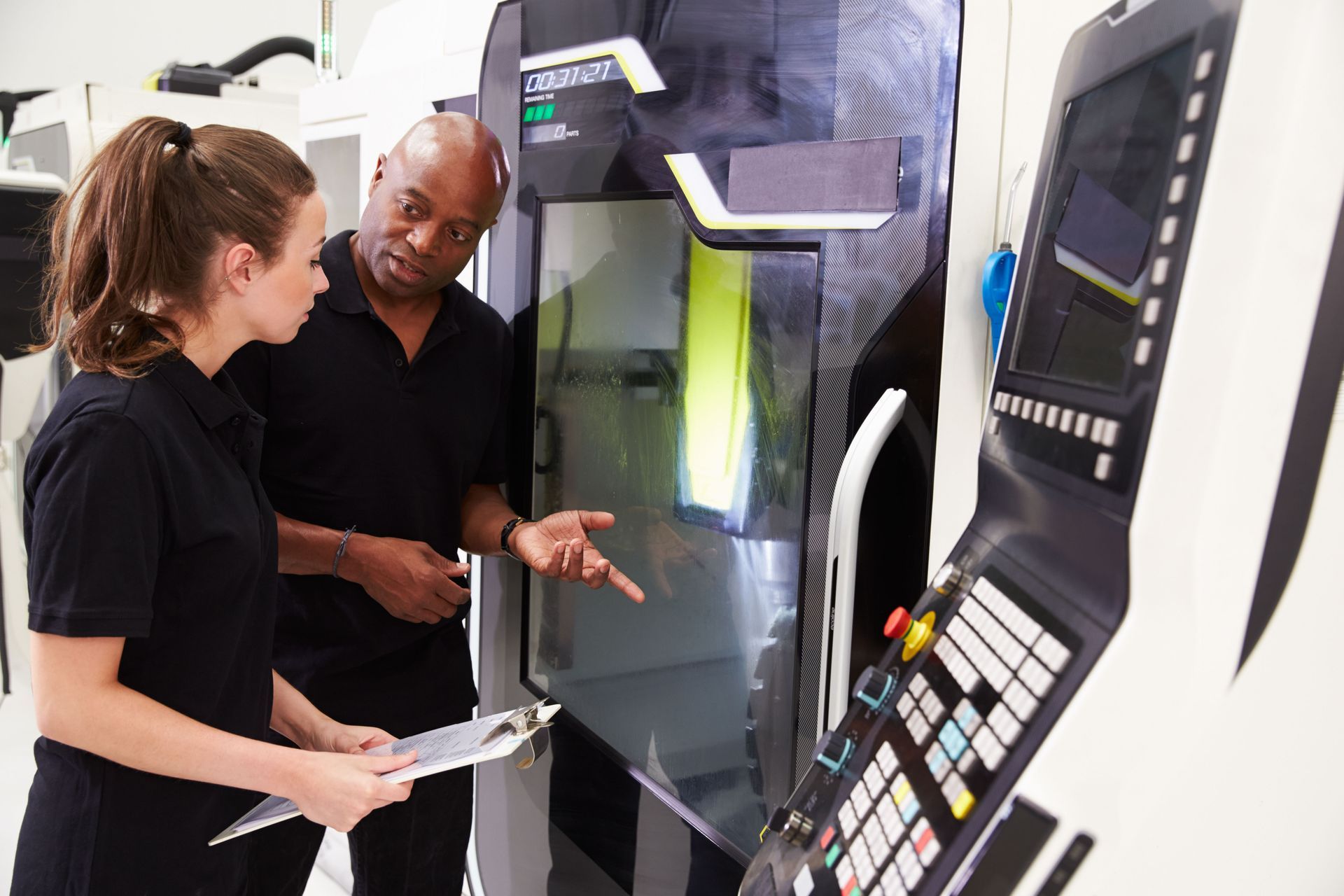
While machines do the heavy lifting, the expertise of skilled operators remains irreplaceable. These professionals interpret complex designs, adjust tool paths, and perform tactical interventions during setups, ensuring the execution aligns with specified tolerances. Operator training focuses on both theoretical principles and hands-on proficiency, cultivating the ability to swiftly resolve issues that might compromise tolerance adherence.
D. Software and Simulation
Simulation tools and CAD/CAM software are indispensable in ensuring machining precision. Through digital simulations, machining programs are validated in virtual environments before metal is cut, allowing for error identification and correction without material wastage. Advanced simulation tools facilitate core strategies like optimizing tool paths, predicting machining outcomes, and integrating feedback loops to continuously calibrate precision operations.
3. Can CNC Machines Achieve Zero Tolerance?
A. The Concept of Zero Tolerance
Zero tolerance in CNC machining is the theoretical scenario where manufactured parts have no deviation from their specified dimensions. While conceptually desirable, achieving absolute zero tolerance is practically unfeasible due to inherent material properties and environmental influences. Components like expansion due to heat, machine wear, or inherent material flaws introduce minor deviations, preventing true zero tolerance achievement.
B. Limitations of Current Technology
Technological constraints play a significant role in the inability to achieve zero tolerance. Current machining technologies, while advanced, face limitations like tool wear and thermal distortion that introduce small discrepancies. Despite innovations in machine design and cutting techniques, these minute factors persist, underscoring the importance of ongoing advancements in machining technology.
C. Precision vs. Practicality
In manufacturing, there is a balancing act between precision and practicality. Striving for extremely low tolerances might yield diminishing returns, considering the exponential increase in costs and time. CNC machine shops often assess the practical implications of such pursuits, aligning tolerance goals with the end-use requirements of the parts to ensure both economic feasibility and functionality.
D. Industry Standards and Expectations
Various industries set their tolerance benchmarks, considering safety, functionality, and cost. Sectors like aerospace and medical manufacturing impose stringent standards due to the critical nature of their applications. Automotive and consumer electronics industries prioritize economic factors while setting practical tolerances that ensure product quality. These industry expectations influence the operational protocols of CNC machine shops, which tailor processes to comply with sector-specific mandates.
4. What Challenges Do CNC Machine Shops Face with Tolerances?
A. Material Limitations
Materials themselves pose a challenge to achieving desired tolerances. Inconsistencies in material properties, such as hardness or thermal expansion coefficients, affect machining outcomes. Dealing with materials that have variable resistances necessitates adaptive strategies, ensuring dimensional accuracy while accommodating material-specific attributes.
B. Environmental Factors
External factors, including temperature and humidity, play a significant role in determining machining precision. CNC machines are sensitive to ambient conditions, where fluctuations in temperature can cause tool expansion or contraction. Machine shops implement environmental controls or adjustments to counteract these influences, safeguarding the precision of the machining process.
C. Cost Implications
The quest for tighter tolerances inevitably results in escalated costs. Enhanced precision demands sophisticated machinery, prolonged production times, and intensive quality inspections—all contributing to higher operational expenditure. Machine shops must judiciously manage these cost factors while meeting client expectations for quality and performance.
D. Time Constraints
Tight tolerance requirements can extend production timelines, a challenge for machine shops facing delivery deadlines. Striking a balance between maintaining precision and meeting time-sensitive demands necessitates strategic scheduling and resource allocation. It's a dynamic process of aligning customer needs with the operational capabilities of the shop.
5. How Can CNC Machine Shops Improve Tolerance Capabilities?
A. Investing in Advanced Machinery
To transcend existing precision boundaries, many cnc machine shops invest in cutting-edge machinery. Newer models come with superior rigidity, faster processing capabilities, and enhanced functionalities, allowing for more accurate control over the machining process and yielding parts with tighter tolerances.
B. Continuous Training and Education
The efficacy of cnc machine shops is heavily contingent on its workforce. Continuous training programs that keep operators abreast of the latest technological developments, machining techniques, and software updates are essential. Such investment in human capital ensures a knowledgeable and adaptable team capable of leveraging advanced equipment to its fullest potential.
C. Implementing Robust QA Processes
Strong quality assurance (QA) processes are critical conduits for advancing tolerance capabilities. Machine shops prioritize QA strategies that employ modern inspection technologies, ensuring that every part produced meets exact specifications. This dedication to quality fosters reputation and reliability, key assets in competitive manufacturing environments. Reach out to Multi-Axis Machining today to see how we can help you!